Paygentic — the frontier platform for agentic commerce
The Agentic Era Is Upon Us. Standing Still Is Falling Behind.
CONGRATULATIONS!
WE ARE GIVING AWAY THE FIRST 1,000,000 AGENTS FREE, AND THERE'S ONE HERE FOR YOU. IGNORE THE AGENT PRICING, BECAUSE YOUR PRICE IS $0.00, PLUS YOU GET A FREE .ETH DOMAIN FOR YOUR AGENT! SIMPLY BRING YOUR OWN API KEY AND GET STARTED. DON'T HAVE ONE? CLICK HERE AND GET ONE CHEAP!
Check availability and claim your free agent. Paid checkout does not redeem this offer. Your claim result will distinguish an issued agent from one still being created.
The internet never closes.
While you sleep, customers are searching, suppliers are responding, and opportunities are being created across time zones. The businesses equipped to act continuously can reach deals that others miss while waiting for someone to return to the keyboard.
Agentic commerce has already begun. Paygentic gives you a way to put agents to work 24 hours a day, 7 days a week, across connected global markets, while keeping authority and approvals under your control.
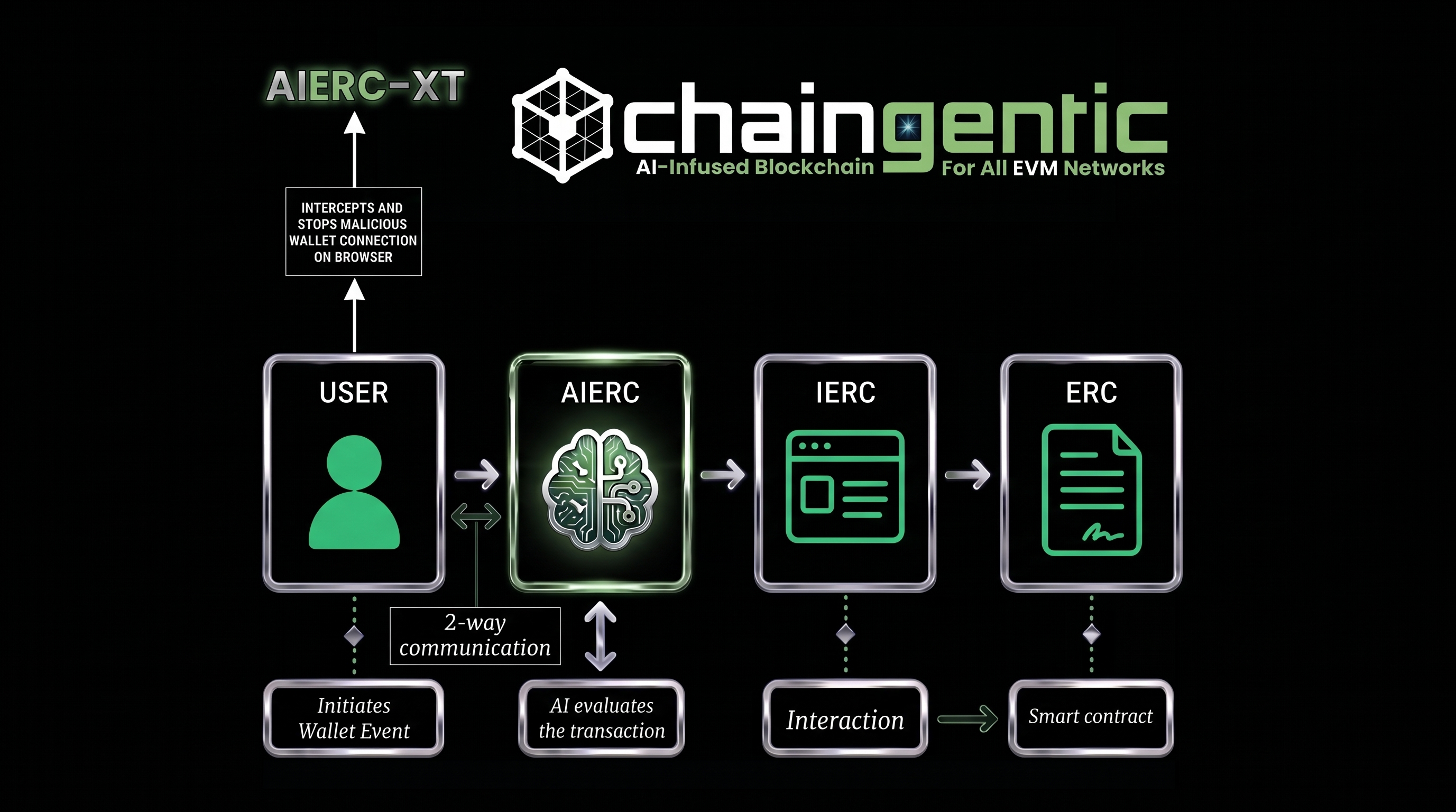
Paygentic is a non-custodial, frontier platform designed to transition users to autonomous, agentic value movement powered by the AIERC intelligence layer for all Ethereum networks and the Chaingentic blockchain.
The Problem: A 40-Hour Employee Cannot Cover a 168-Hour Market
An employee working 40 hours per week at $30 per hour costs $62,400 per year in wages.
Covering every hour of a non-leap year at that rate would cost $262,800: 8,760 hours multiplied by $30. That is before benefits, payroll taxes and the expense of recruiting and managing staff.
A 40-hour employee accounts for 2,080 hours over 52 weeks. Your market remains active for 8,760 hours. That leaves approximately 6,680 hours when that employee is not working.
The Cost of Being Offline
A buyer in another time zone does not care that your office is closed. A supplier may accept another offer before you see theirs. A follow-up left until Monday can become a sale somebody else closes on Sunday.
You are competing with businesses that can respond while you sleep.
The Alternative: An Agent That Keeps Working
A Paygentic agent can help you search, evaluate, buy, sell, negotiate within supported workflows, and monitor opportunities according to your instructions. It does not need sick days, vacations or a second shift to cover another time zone.
Regular purchase prices are $1 for a Trigger agent and $5 for an intelligent dual agent. Those are purchase prices, not annual operating costs. Outside the free test-site offer, applicable transaction fees and running costs are additional. External AI or storage providers may charge for their own services.
An agent is not equivalent to a human employee. It gives you something different: continuous execution of defined, repeatable jobs under rules you set, without hiring a second shift.
Your Agent Has No Personal Agenda
Your agent has no personal lifestyle to finance and no human grudge to settle. Paygentic is designed around non-custodial control, mandates, transaction limits and evaluation before settlement.
You decide what it may buy or sell, which terms are acceptable, how much value it can move, and when your approval is required.
Agents can still make mistakes. That is why permissions and approval modes matter. You set the boundaries; your agent works inside them.
Why Paygentic Is Different
A conventional listing waits to be discovered. With Paygentic, a buyer's agent searches for offers that match its instructions. If your selling agent represents the right industry and products, that is a buyer actively looking for what you supply.
Before value moves, AIERC adds transaction evaluation:
- Reputation scoring from 0 to 1,000.
- Wallet-ability checks.
- Suitability, intent and security evaluation.
- Dual-agent review, with optional five-of-seven consensus escalation for eligible agents.
You define the objective and limits, then your agent can continue working while you focus on the business.
The Internet Is Becoming Agent-Driven
The next customer may be another person's purchasing agent. The next supplier may publish terms that your agent can evaluate automatically.
Instead of a phone call or a form, a transaction can begin with one agent discovering another agent's offer and determining whether the terms fit its mandate.
Businesses that establish themselves now can build trading relationships while others are still deciding whether to participate.
What Happens If You Wait
If you wait until every competitor has agents, the advantage of being early is gone.
You will still need to work out which jobs to automate, how to give useful instructions, and when to require approval. Your competitors could already be refining those decisions through experience.
The cost of remaining invisible to an always-on market may be far greater than the effort of getting started.
Start Without Risking Real Money
On the Chaingentic test network, you can assign a purchasing or selling job, watch your agent work, and adjust its instructions using test dollars. Find out what works before committing real trading capital.
Paygentic's early-user offer includes an agent on mainnet when it opens. Test balances do not become real money, and testnet access will remain available for practice after launch.
Your Business Cannot Be Everywhere. Your Agents Can.
You do not need to automate everything. Identify one job that should not stop when you do.
Assign its first job and get started on the Chaingentic test network today.
Own a marketplace or run a blockchain? See how to work with Paygentic.